Smarter Plant Care for Everyday Owners
Smarter Plant Care for Everyday Owners
Smarter Plant Care for Everyday Owners
Built to replace guesswork and forgotten routines, Grow helps users diagnose plant issues, receive tailored care guidance, and choose plants that suit their lifestyle through reminders, personalised advice, and photo-based diagnosis.
Built to replace guesswork and forgotten routines, Grow helps users diagnose plant issues, receive tailored care guidance, and choose plants that suit their lifestyle through reminders, personalised advice, and photo-based diagnosis.
Built to replace guesswork and forgotten routines, Grow helps users diagnose plant issues, receive tailored care guidance, and choose plants that suit their lifestyle through reminders, personalised advice, and photo-based diagnosis.
Role
UX Researcher
UI Designer
Tools
Figma
Figjam
Team
N/A
Timeline
Jan '25 - May '25
Role
UX Researcher
UI Designer
Tools
Figma
Figjam
Team
N/A
Timeline
Jan '25 - May '25
The problem
Forgetfulness, Assumptions, and Time Constraints
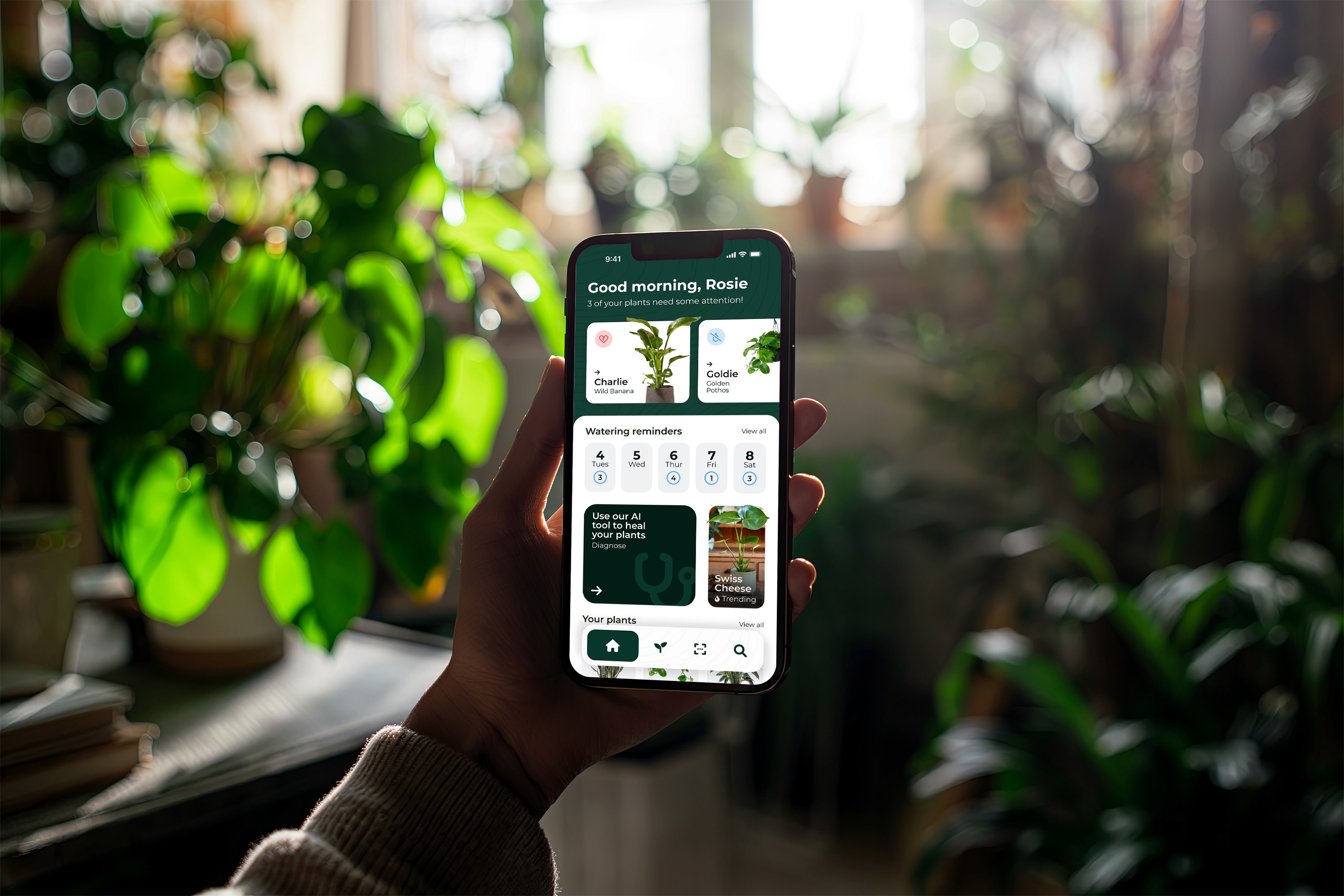
Houseplant care was consistently impacted by four core challenges: forgetfulness, lack of knowledge, limited time, and false assumptions.
Interview participants often forgot routine care tasks such as watering or adjusting light, particularly when busy. Even when they cared about keeping plants alive, maintenance was easily deprioritised.
A lack of confidence and clear guidance led many to rely on assumptions rather than informed decisions, guessing how much water was needed, misjudging light levels, or reacting incorrectly to signs of decline.
Together, these factors created a cycle of uncertainty and preventable plant failure.
The problem
Forgetfulness, Assumptions, and Time Constraints
Houseplant care was consistently impacted by four core challenges: forgetfulness, lack of knowledge, limited time, and false assumptions.
Interview participants often forgot routine care tasks such as watering or adjusting light, particularly when busy. Even when they cared about keeping plants alive, maintenance was easily deprioritised.
A lack of confidence and clear guidance led many to rely on assumptions rather than informed decisions, guessing how much water was needed, misjudging light levels, or reacting incorrectly to signs of decline.
Together, these factors created a cycle of uncertainty and preventable plant failure.
The solution
From Guesswork to Guided Plant Care
Grow was designed as an intelligent plant care companion that blends automation, education, and real-time support into one streamlined mobile experience. By combining personalised reminders, AI-powered diagnosis, and tailored plant guidance, the app reduces uncertainty and helps users care for their plants with confidence.
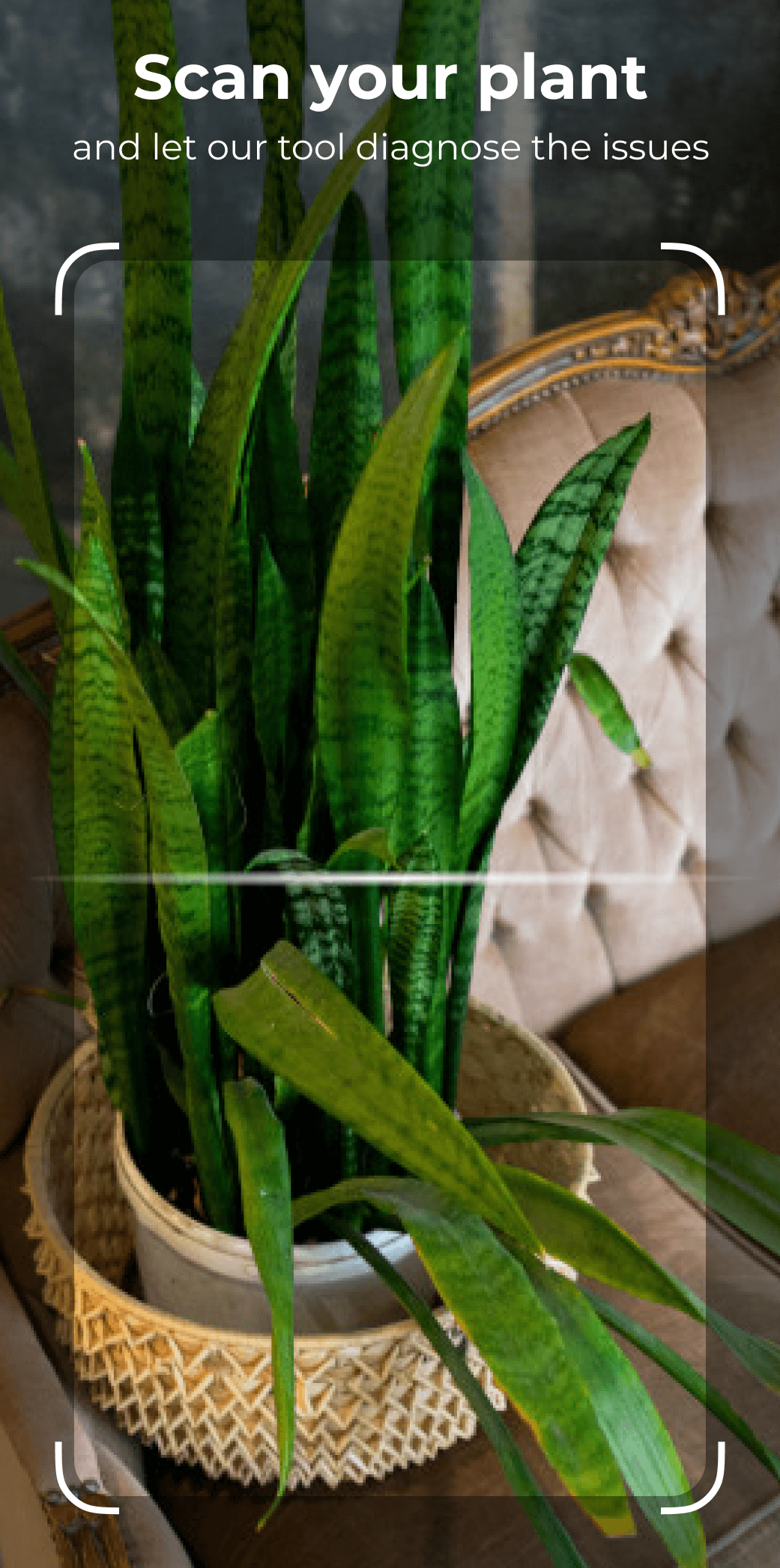
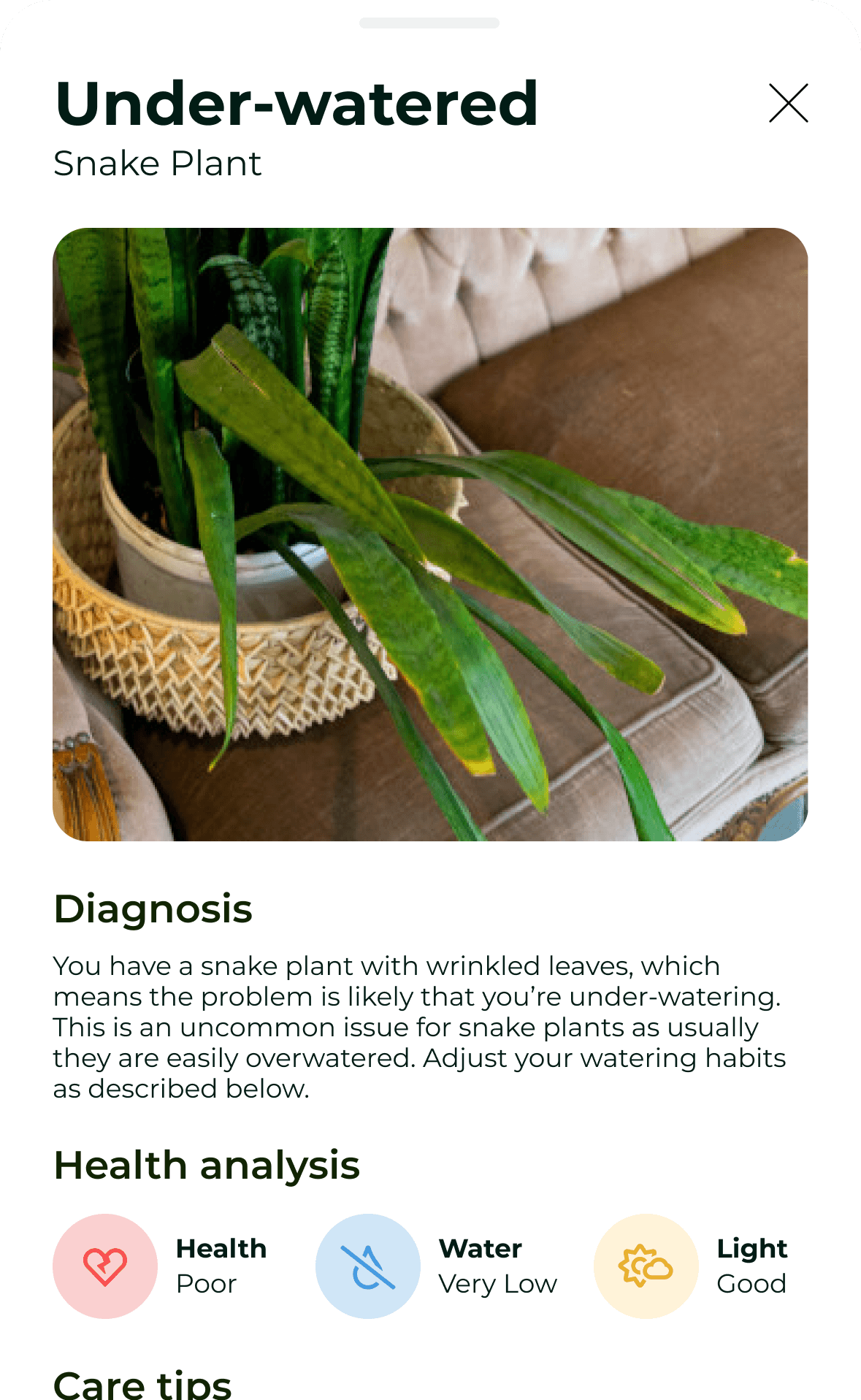
1. AI Diagnosis & Personalised Plant Guidance
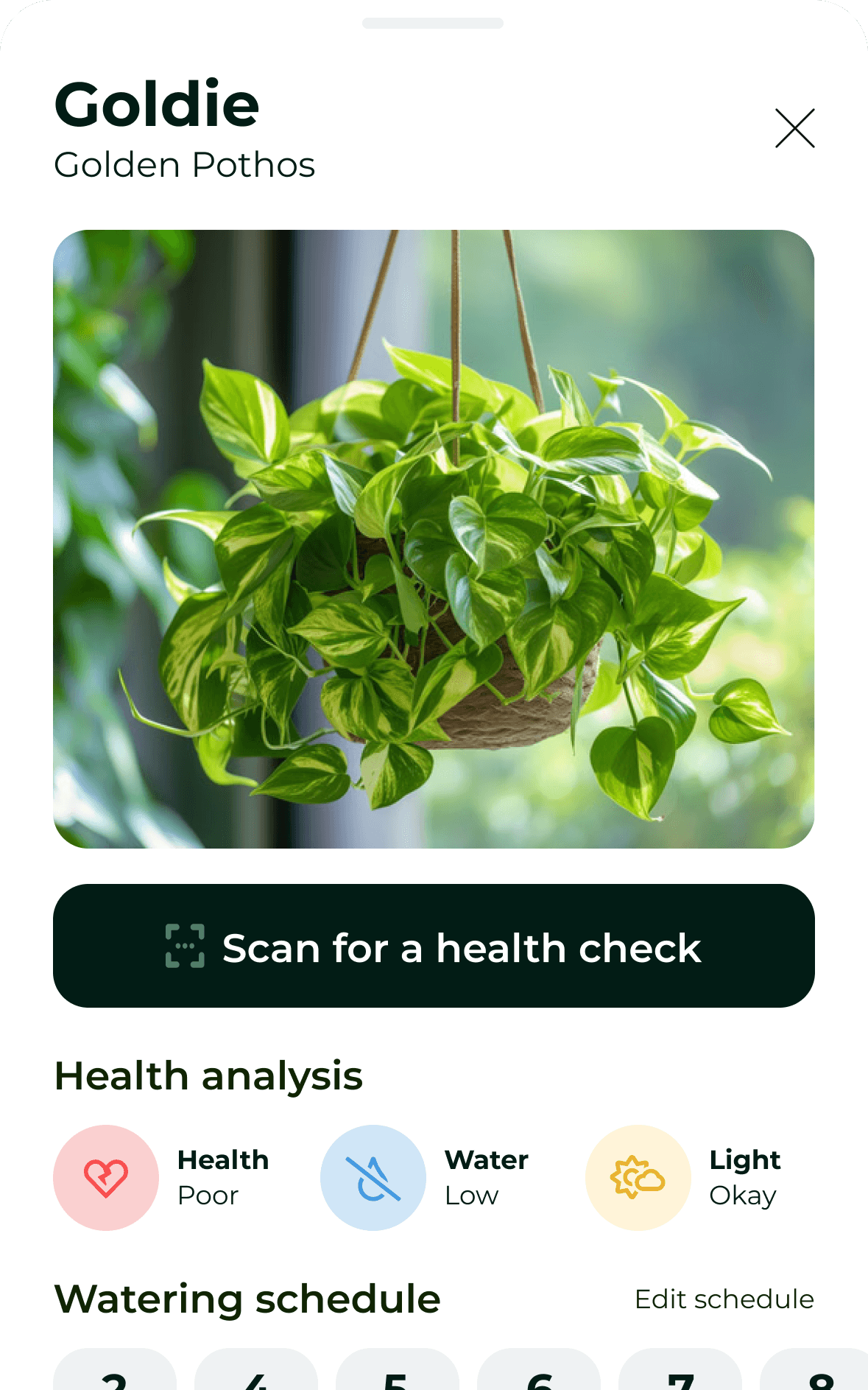
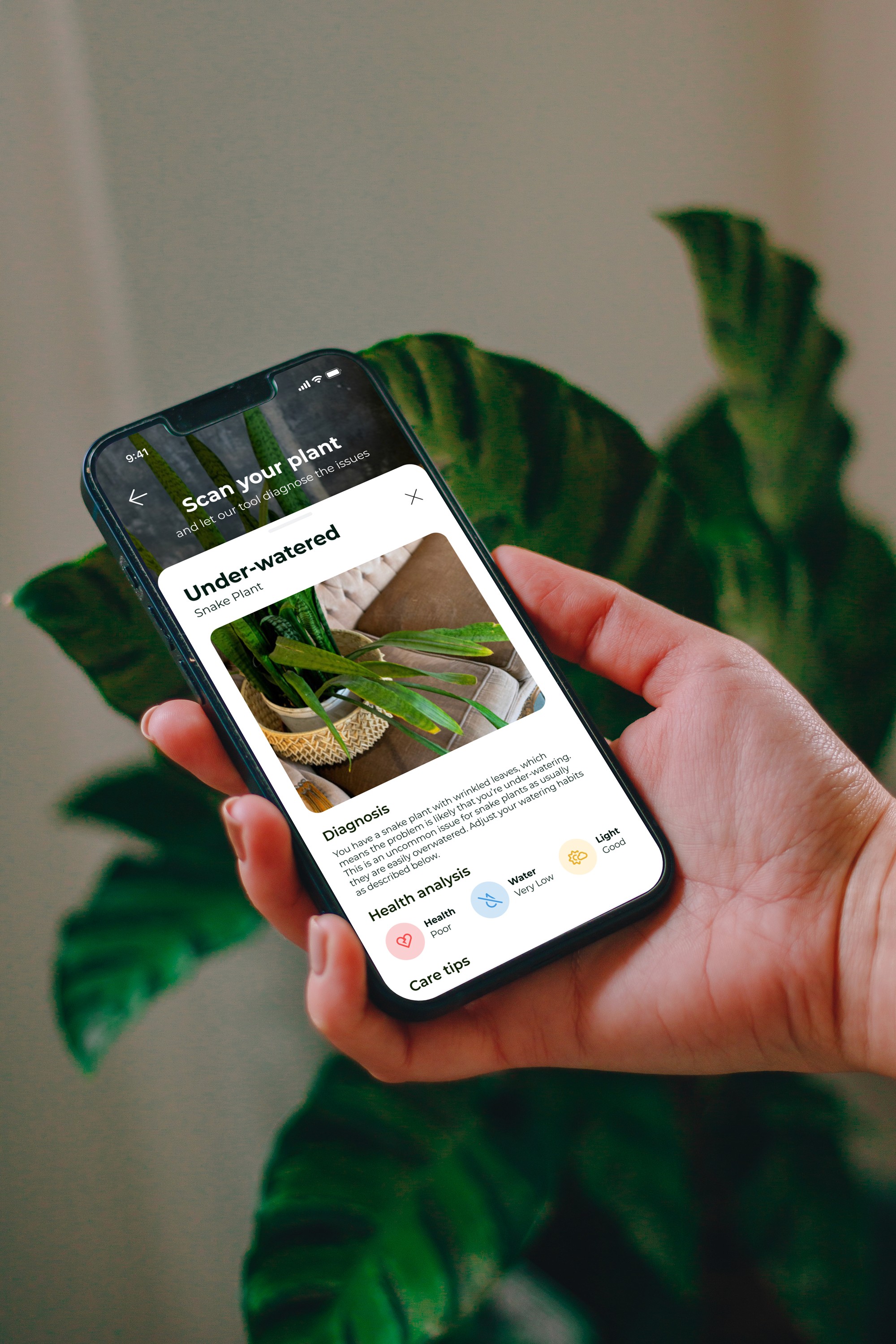
Users can scan their plant using the in-app AI tool to receive immediate, actionable feedback. Each plant also has a dedicated care page containing tailored information on light, watering, and environment, alongside curated educational content.
Intelligent Watering Reminders
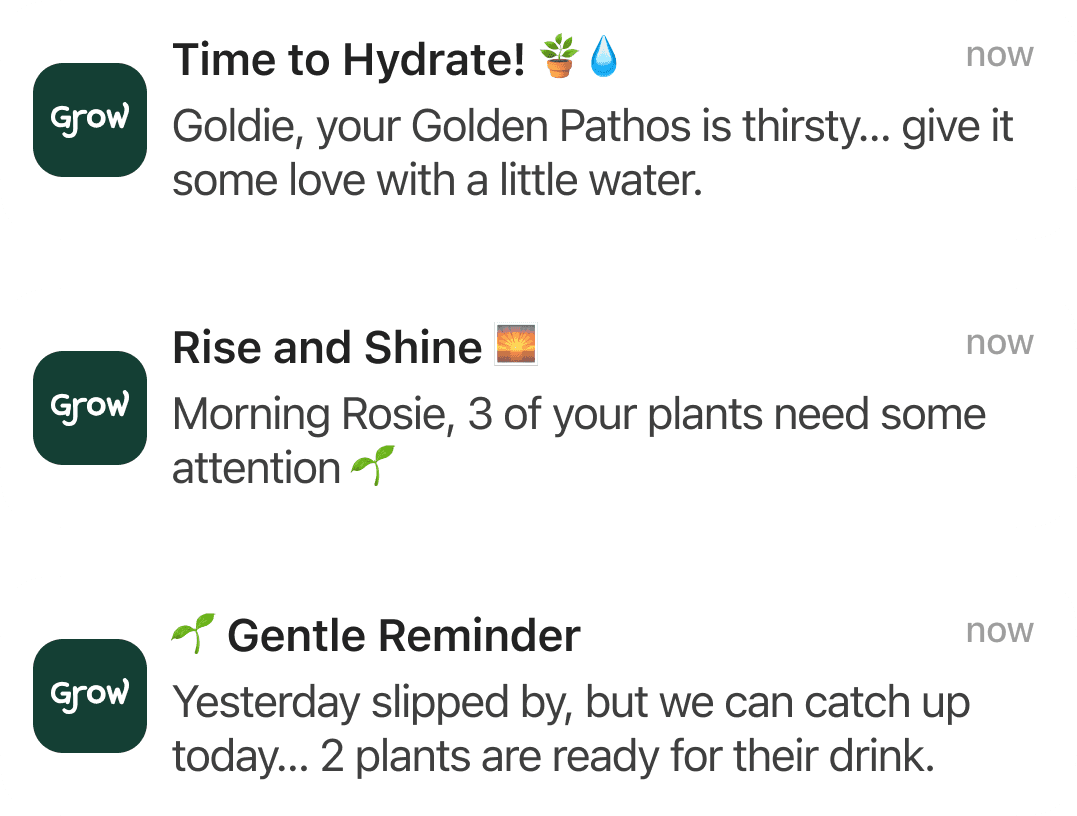
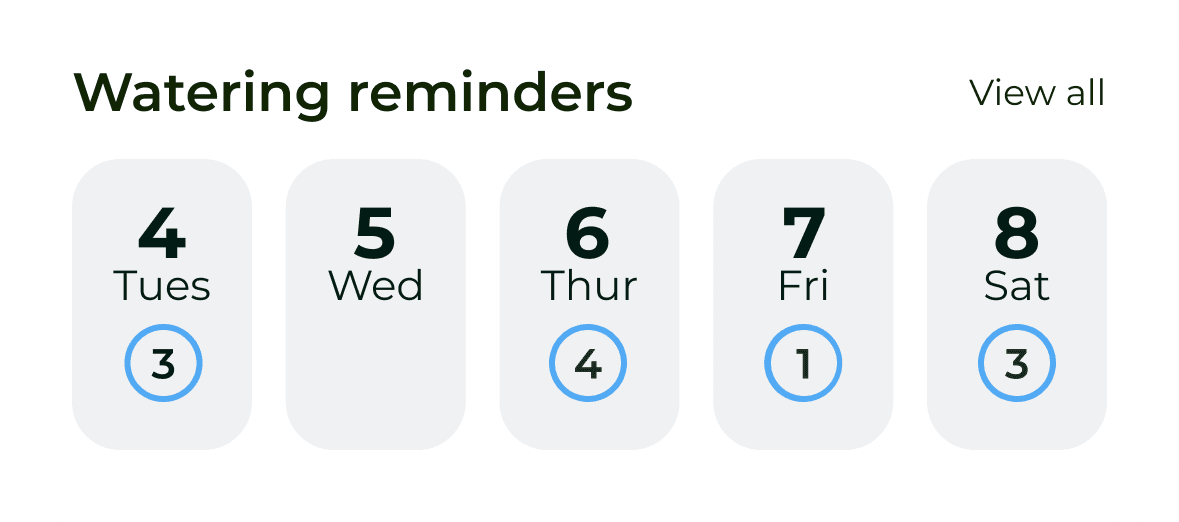
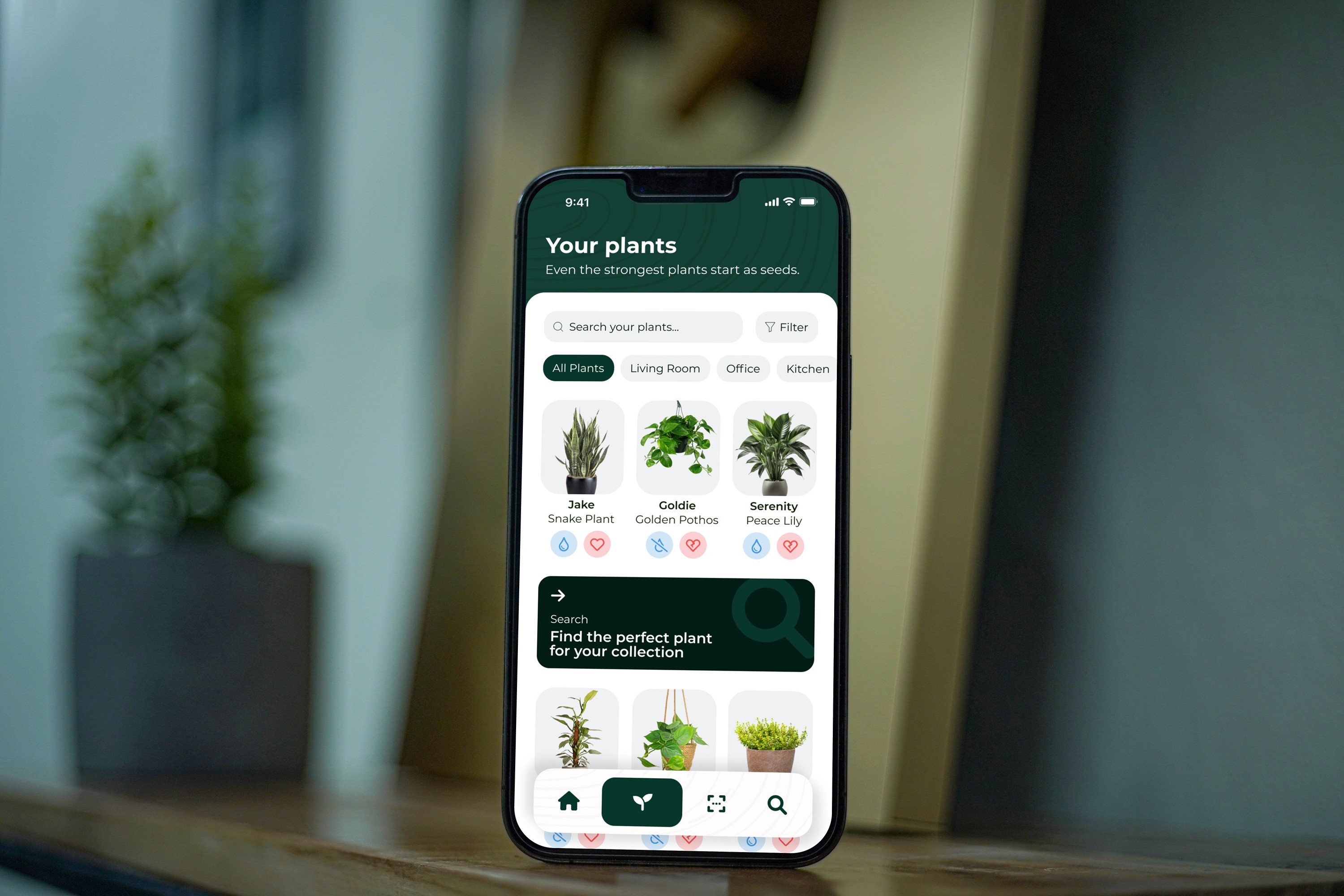
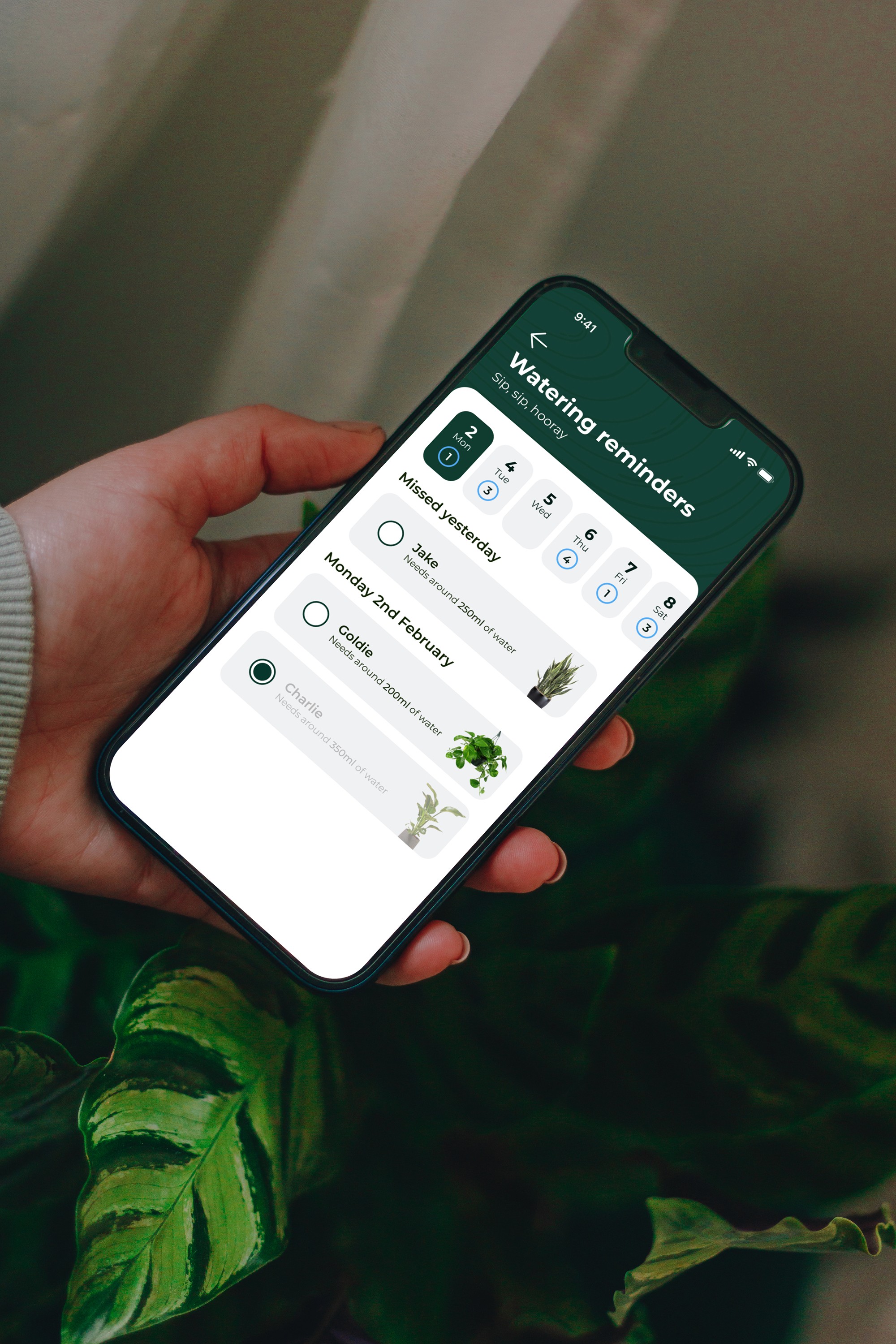
Grow automatically generates watering schedules for each plant based on its species and recommended conditions. Reminders appear through push notifications, a dashboard widget, and a dedicated watering page, ensuring care tasks stay visible and manageable.

Centralised Plant Management
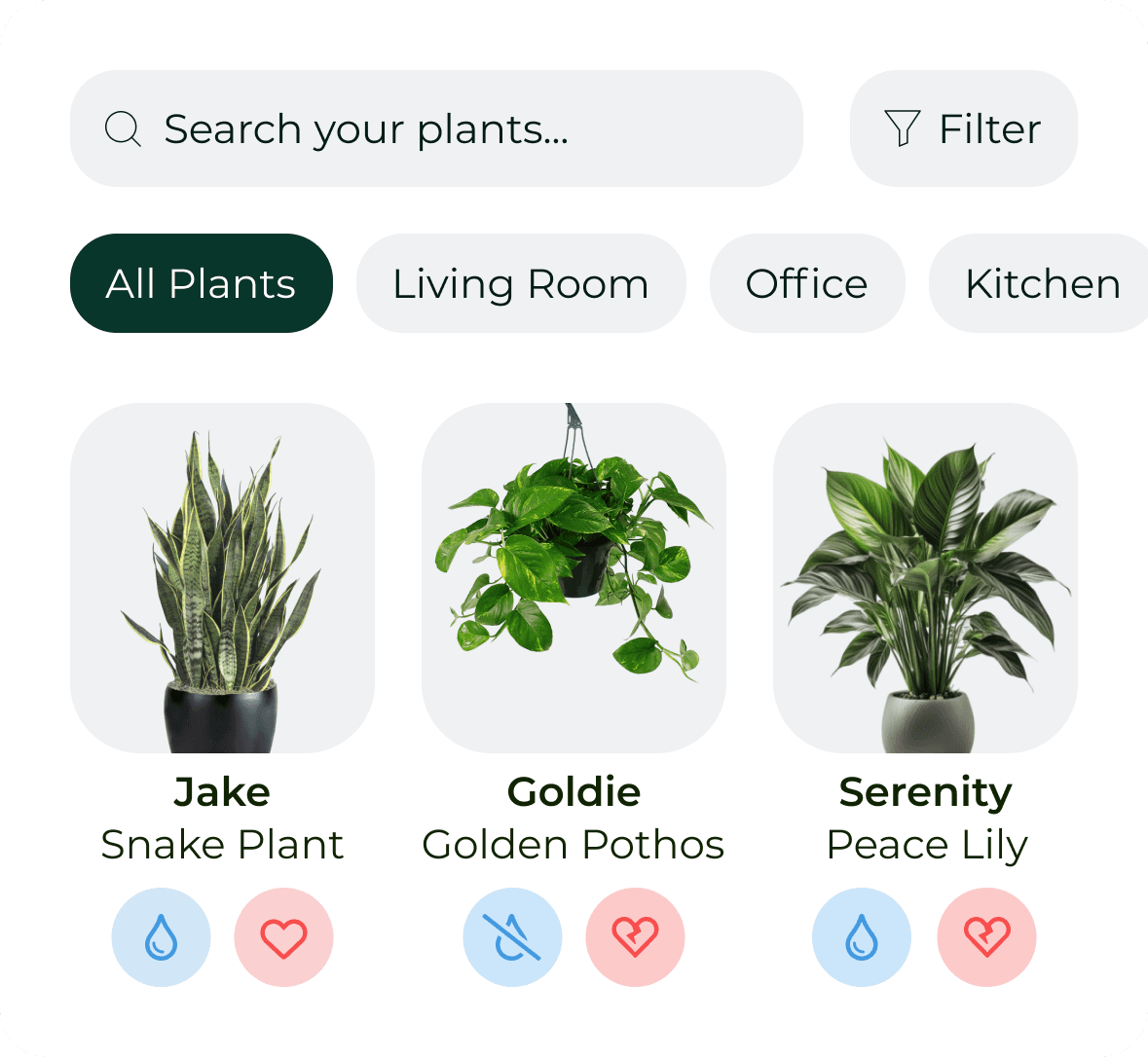
Grow brings all plant care into one place. Users can catalogue their plants, track care requirements, and access guidance without switching between search engines, notes apps, or memory. The app reduces friction by doing the thinking upfront.
The solution
From Guesswork to Guided Plant Care
Grow was designed as an intelligent plant care companion that blends automation, education, and real-time support into one streamlined mobile experience. By combining personalised reminders, AI-powered diagnosis, and tailored plant guidance, the app reduces uncertainty and helps users care for their plants with confidence.
1. AI Diagnosis & Personalised Plant Guidance
Users can scan their plant using the in-app AI tool to receive immediate, actionable feedback. Each plant also has a dedicated care page containing tailored information on light, watering, and environment, alongside curated educational content.
Intelligent Watering Reminders
Grow automatically generates watering schedules for each plant based on its species and recommended conditions. Reminders appear through push notifications, a dashboard widget, and a dedicated watering page, ensuring care tasks stay visible and manageable.
Centralised Plant Management
Grow brings all plant care into one place. Users can catalogue their plants, track care requirements, and access guidance without switching between search engines, notes apps, or memory. The app reduces friction by doing the thinking upfront.

THE SHOWCASE
Designed to Grow
THE SHOWCASE
Designed to Grow
The RESEARCH
Research & Discovery
Grow was developed as part of the Google UX Design Certificate, beginning with the prompt: Design an app that helps customers diagnose issues with their houseplants.
I initially assumed most people owned several plants and had a baseline understanding of plant care. Early interviews challenged this. Participants typically owned one or two plants and relied heavily on guesswork when making care decisions.
These insights grounded the defined problem space in real behaviours rather than personal assumption, directly informing the direction of the solution.
User Interviews & Behaviour Synthesis
Six semi-structured interviews were conducted with participants across a range of ages and experience levels. Sessions took place both in person and over the phone, guided by five open-ended questions designed to explore plant ownership, care habits, and decision-making behaviour.
The goal was to understand how people approach plant care in practice, particularly what they do when a plant begins to decline.
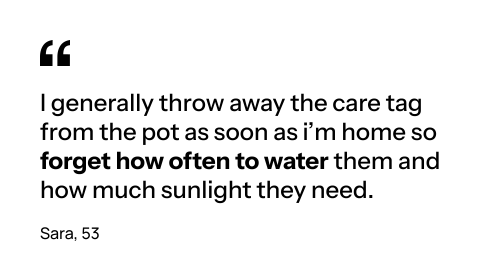
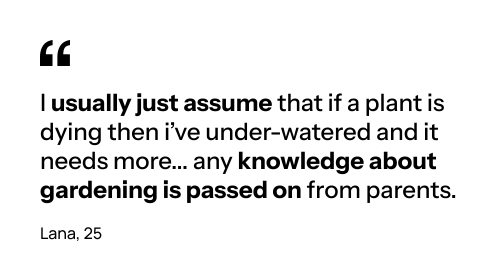
Interview responses were synthesised into empathy maps to capture what users say, think, do, and feel in moments of uncertainty. Mapping behaviours in this way helped surface recurring patterns and emotional drivers behind decision-making.
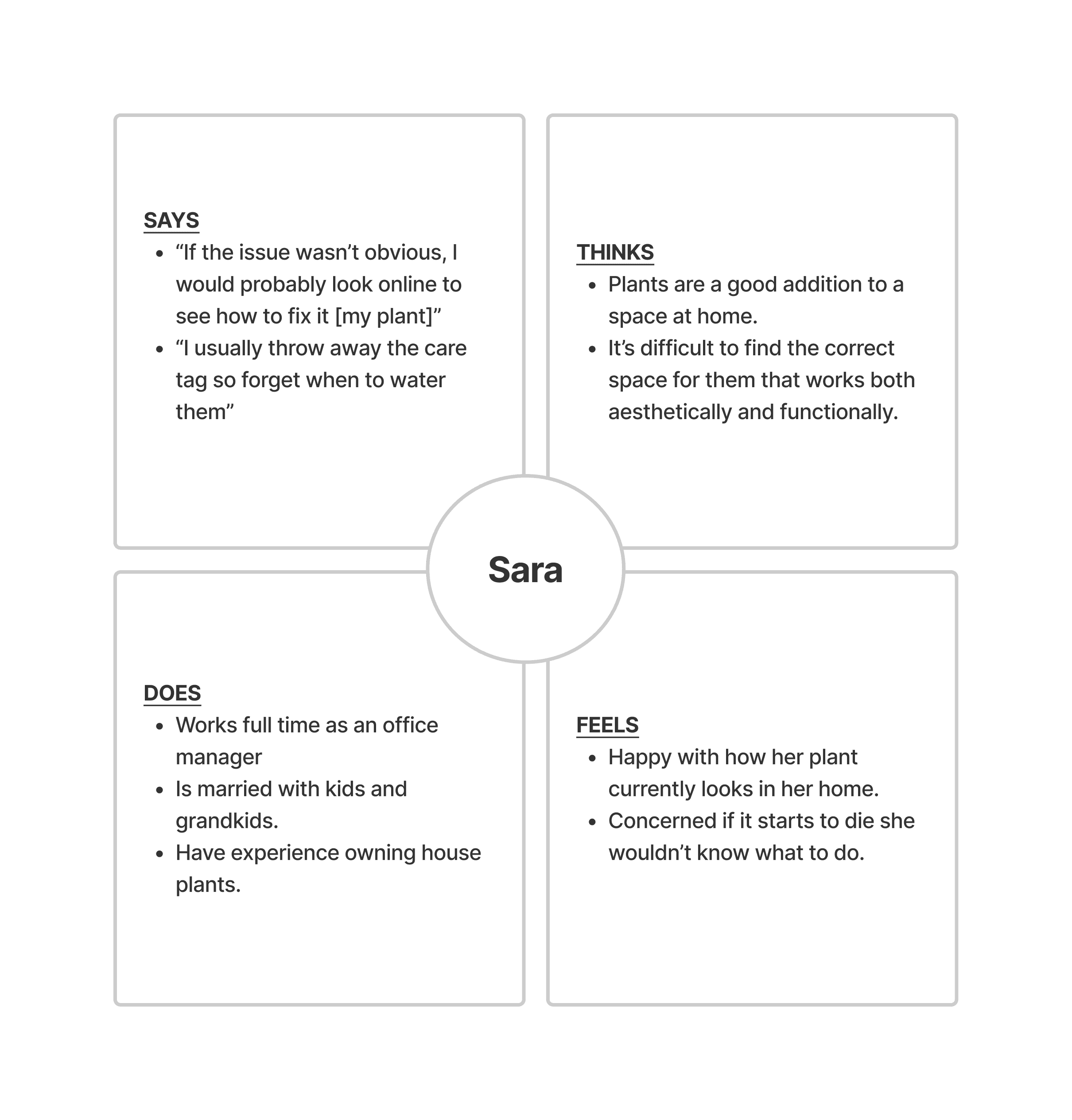
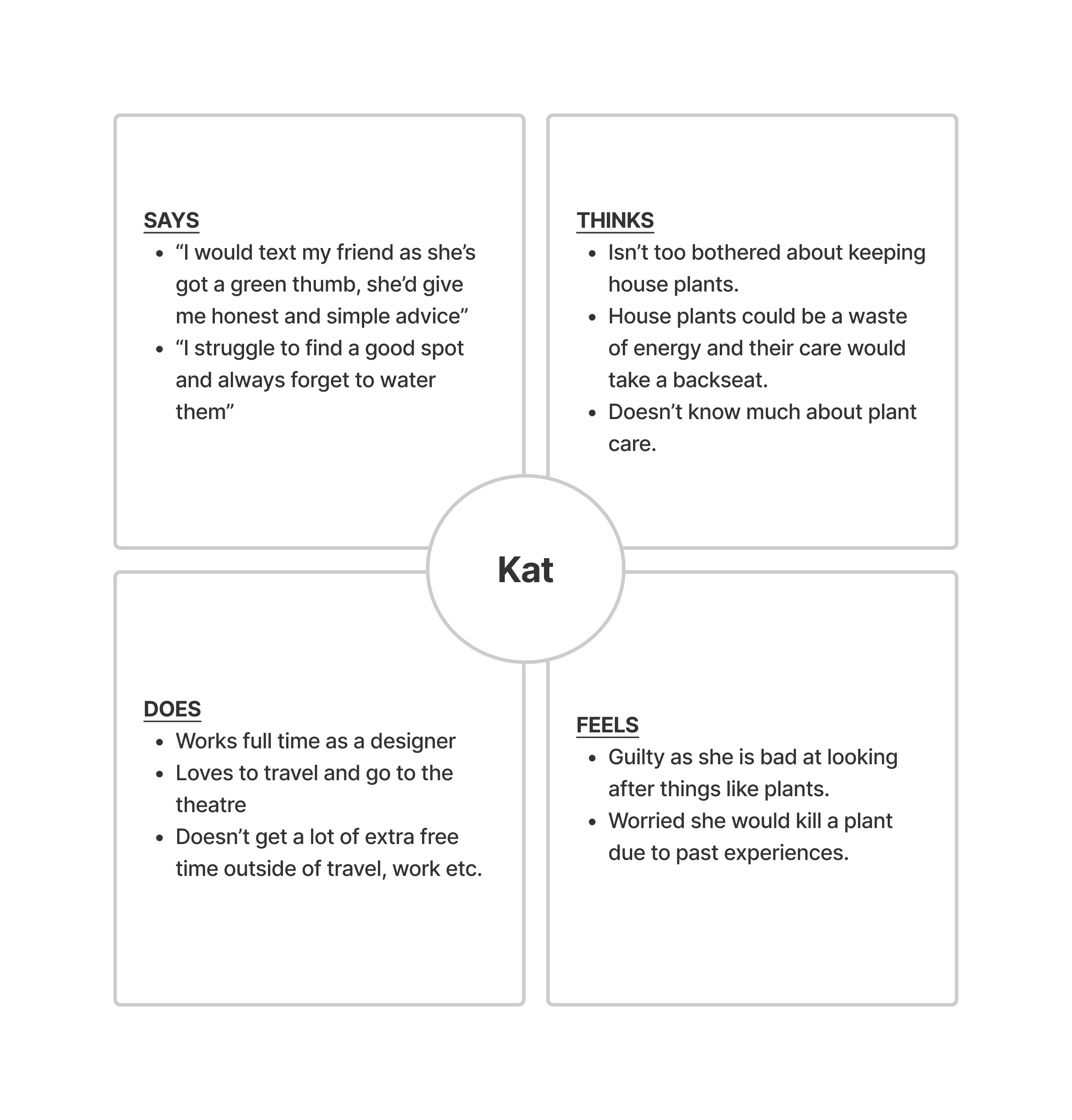
From these insights, three behaviour-based personas were developed to represent distinct care mindsets. Rather than focusing on demographics, personas were grounded in differences in knowledge, time availability, and confidence levels, ensuring the solution addressed real behavioural variation.

Defining User Problems
Interview insights and behavioural patterns were translated into persona-specific problem statements to clarify the distinct needs within the overall problem space. Rather than designing for “plant owners” as a single group, each statement focused on a contextual challenge shaped by differences in time, knowledge, and confidence. This ensured subsequent decisions addressed real behavioural variation rather than generic plant care frustration.
Potential solutions were ideated and grouped under the four recurring pain points identified in research: forgetfulness, lack of knowledge, limited time, and false assumptions.
This exercise allowed features to be evaluated not by preference, but by the specific behavioural barrier they addressed. Organising ideas in this way helped surface overlaps, reduce redundancy, and identify which concepts most directly responded to validated user needs.
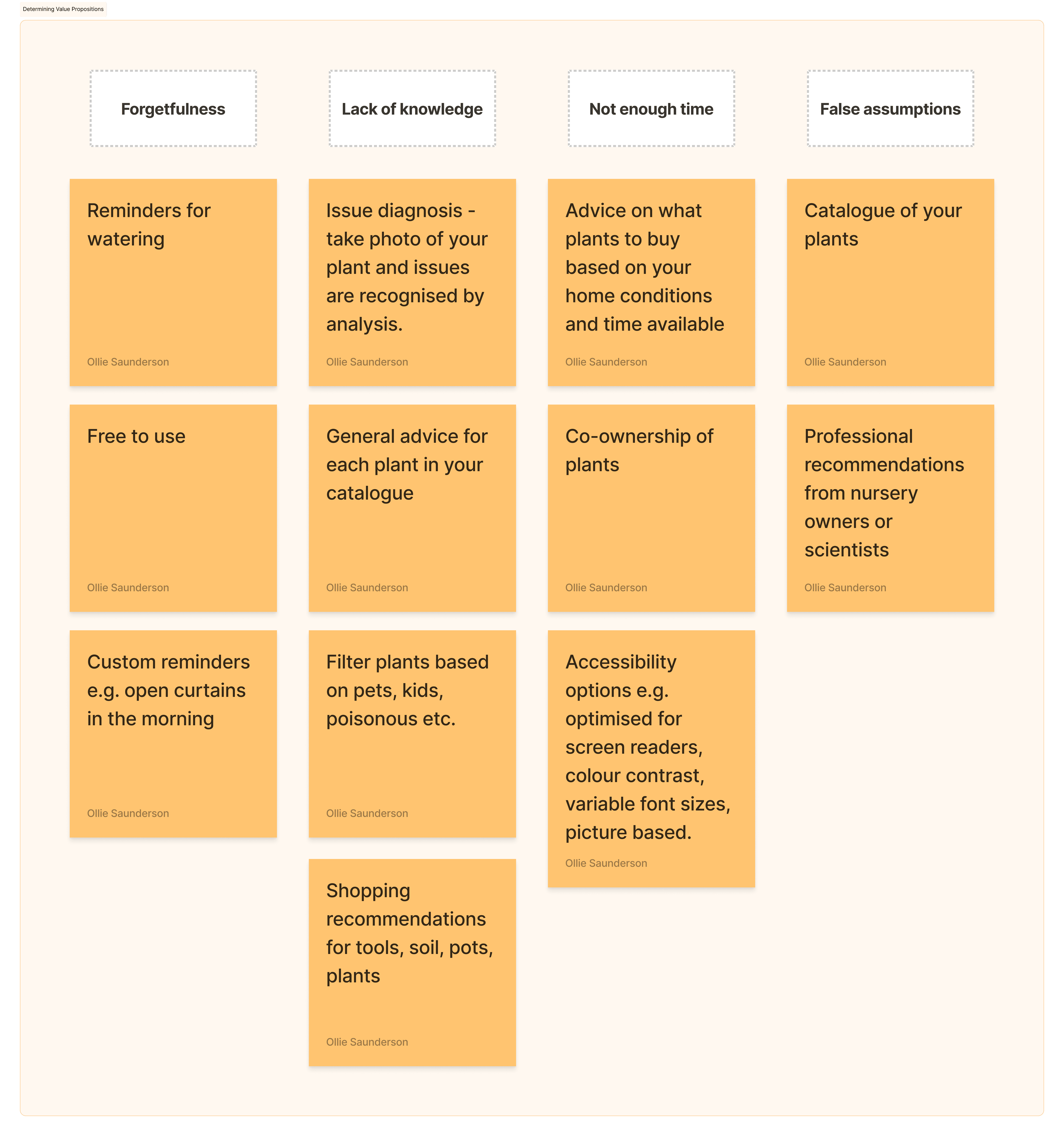
From this wider set of possibilities, key value propositions were prioritised and mapped directly to user personas. Each selected feature was chosen based on its ability to meaningfully reduce friction for a specific mindset, whether that meant building routine consistency, replacing guesswork with structured guidance, or reducing research time for busy users.
Linking value propositions back to personas ensured the solution remained grounded in behavioural evidence rather than expanding feature scope unnecessarily.

Ideating Design Solutions
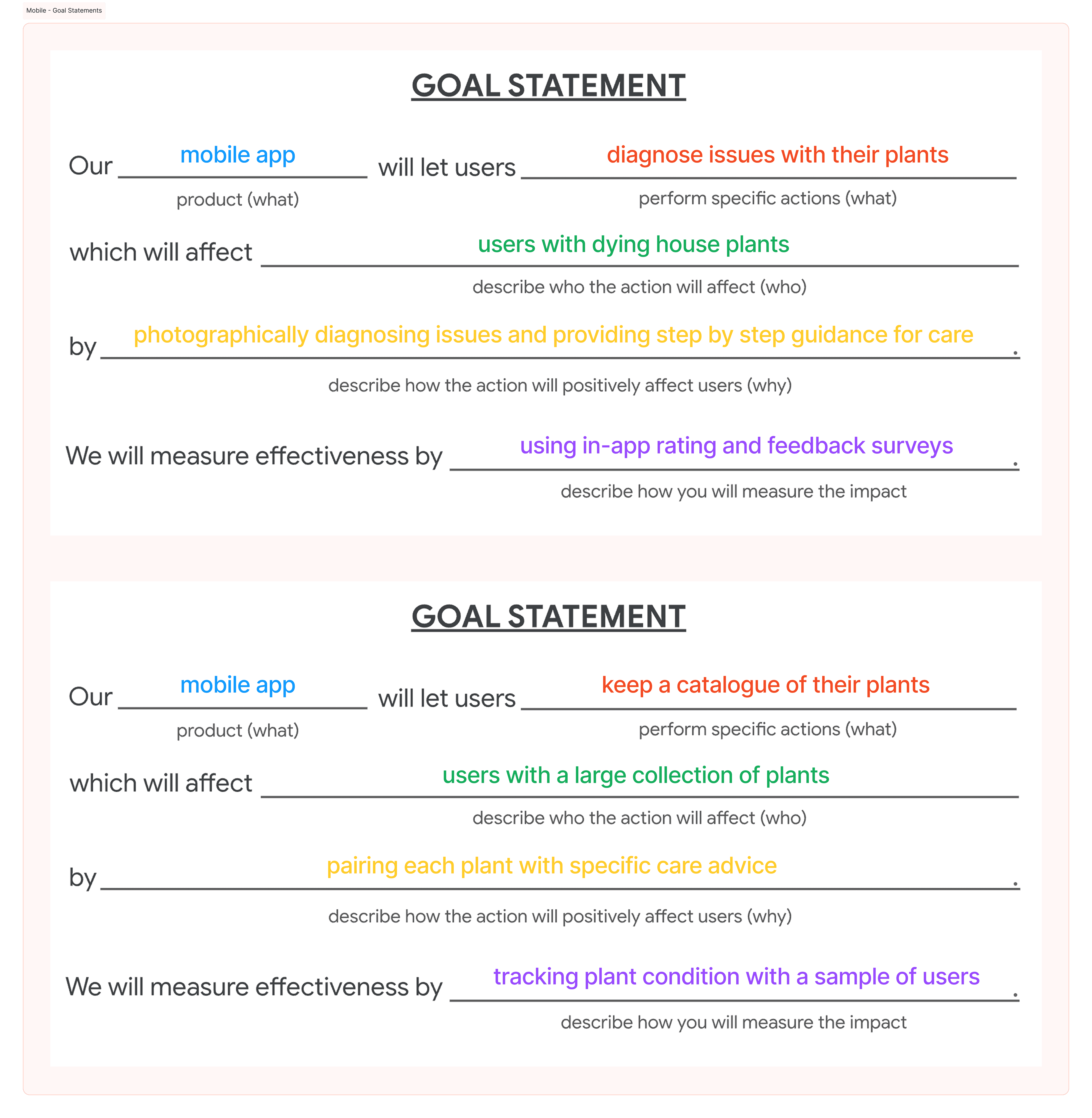
Considering the validated user problems and prioritised value propositions, goal statements were defined to align user needs with measurable product intent. These statements clarified what success would look like from both a user and product perspective, ensuring design decisions remained outcome-driven rather than feature-led.
User goals focused on building confidence, reducing guesswork, and making plant care manageable within limited time. Product goals centred on increasing task consistency, improving diagnostic clarity, and creating a supportive, accessible experience for novice plant owners.
To contextualise the opportunity space, I conducted a competitive audit of leading direct competitors including PictureThis, Planta, Blossom, and Planty.
The goal was to evaluate user experience patterns across onboarding, feature accessibility, navigation clarity, visual design, and content presentation.
While competitors offered comprehensive plant catalogues and diagnosis tools, several recurring gaps emerged:
Heavy reliance on paywalls for core features
Overwhelming amounts of information presented at once
Limited accessibility considerations
Generic reminders lacking contextual guidance
This analysis validated the decision to position Grow as a clarity-first, confidence-building tool — prioritising simplicity, accessibility, and behavioural support over feature volume.
The RESEARCH
Research & Discovery
Grow was developed as part of the Google UX Design Certificate, beginning with the prompt: Design an app that helps customers diagnose issues with their houseplants.
I initially assumed most people owned several plants and had a baseline understanding of plant care. Early interviews challenged this. Participants typically owned one or two plants and relied heavily on guesswork when making care decisions.
These insights grounded the defined problem space in real behaviours rather than personal assumption, directly informing the direction of the solution.
User Interviews & Behaviour Synthesis
Six semi-structured interviews were conducted with participants across a range of ages and experience levels. Sessions took place both in person and over the phone, guided by five open-ended questions designed to explore plant ownership, care habits, and decision-making behaviour.
The goal was to understand how people approach plant care in practice, particularly what they do when a plant begins to decline.
Interview responses were synthesised into empathy maps to capture what users say, think, do, and feel in moments of uncertainty. Mapping behaviours in this way helped surface recurring patterns and emotional drivers behind decision-making.
From these insights, three behaviour-based personas were developed to represent distinct care mindsets. Rather than focusing on demographics, personas were grounded in differences in knowledge, time availability, and confidence levels, ensuring the solution addressed real behavioural variation.
Defining User Problems
Interview insights and behavioural patterns were translated into persona-specific problem statements to clarify the distinct needs within the overall problem space. Rather than designing for “plant owners” as a single group, each statement focused on a contextual challenge shaped by differences in time, knowledge, and confidence. This ensured subsequent decisions addressed real behavioural variation rather than generic plant care frustration.
Potential solutions were ideated and grouped under the four recurring pain points identified in research: forgetfulness, lack of knowledge, limited time, and false assumptions.
This exercise allowed features to be evaluated not by preference, but by the specific behavioural barrier they addressed. Organising ideas in this way helped surface overlaps, reduce redundancy, and identify which concepts most directly responded to validated user needs.
From this wider set of possibilities, key value propositions were prioritised and mapped directly to user personas. Each selected feature was chosen based on its ability to meaningfully reduce friction for a specific mindset, whether that meant building routine consistency, replacing guesswork with structured guidance, or reducing research time for busy users.
Linking value propositions back to personas ensured the solution remained grounded in behavioural evidence rather than expanding feature scope unnecessarily.
Ideating Design Solutions
Considering the validated user problems and prioritised value propositions, goal statements were defined to align user needs with measurable product intent. These statements clarified what success would look like from both a user and product perspective, ensuring design decisions remained outcome-driven rather than feature-led.
User goals focused on building confidence, reducing guesswork, and making plant care manageable within limited time. Product goals centred on increasing task consistency, improving diagnostic clarity, and creating a supportive, accessible experience for novice plant owners.
To contextualise the opportunity space, I conducted a competitive audit of leading direct competitors including PictureThis, Planta, Blossom, and Planty.
The goal was to evaluate user experience patterns across onboarding, feature accessibility, navigation clarity, visual design, and content presentation.
While competitors offered comprehensive plant catalogues and diagnosis tools, several recurring gaps emerged:
Heavy reliance on paywalls for core features
Overwhelming amounts of information presented at once
Limited accessibility considerations
Generic reminders lacking contextual guidance
This analysis validated the decision to position Grow as a clarity-first, confidence-building tool — prioritising simplicity, accessibility, and behavioural support over feature volume.
More Work
You Might Like
More Work
You Might Like
More Work
You Might Like
More Work
You Might Like
More Work
You Might Like
More Work
You Might Like